

Gurdwara Panja Sahib is one of the most sacred and historically significant Sikh shrines in the world. Located in Hasan Abdal, this revered site attracts thousands of Sikh pilgrims every year, especially during the festival of Vaisakhi. The shrine commemorates a miraculous event associated with Guru Nanak, the founder of Sikhism.
For travelers, historians, and spiritual seekers visiting Pakistan, Gurdwara Panja Sahib is not only a religious destination but also an important symbol of interfaith harmony and cultural heritage.
The Historical Background of Gurdwara Panja Sahib
The history of Gurdwara Panja Sahib dates back to the early 16th century during the travels of Guru Nanak. According to Sikh tradition, Guru Nanak visited the region of Hasan Abdal with his companion Bhai Mardana.
At that time, the area was under the influence of a local saint named Wali Qandhari, who lived on a nearby hill and controlled the only water source in the region.
When Bhai Mardana became thirsty, Guru Nanak asked him to request water from Wali Qandhari. However, the saint refused. Guru Nanak then lifted a stone from the ground, and miraculously a spring of fresh water began to flow from beneath it.
Angered by this, Wali Qandhari rolled a massive boulder down the hill toward Guru Nanak. According to legend, Guru Nanak stopped the rock with his hand, leaving a handprint on the stone. The word “Panja” means hand in Punjabi, and the shrine was later named Panja Sahib because of this sacred handprint.
The Sacred Handprint
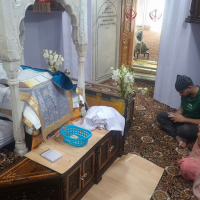
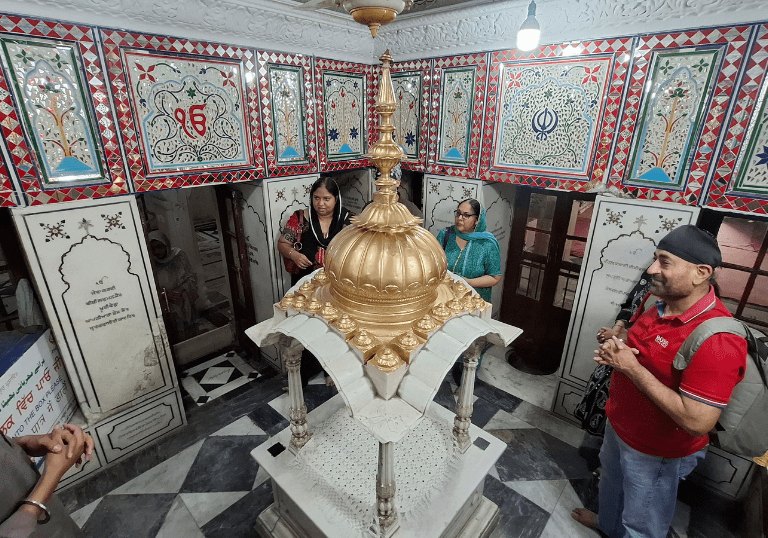
One of the most remarkable features of Gurdwara Panja Sahib is the handprint embedded in the large rock, which is believed to be the mark left by Guru Nanak when he stopped the falling boulder.
Pilgrims visiting the shrine often gather around this sacred stone, which is preserved inside the gurdwara complex. The handprint has become a powerful symbol of faith and divine protection in Sikh tradition.
For Sikhs around the world, seeing this sacred imprint is a deeply spiritual experience and a reminder of Guru Nanak’s teachings of humility, compassion, and equality.
Architectural Beauty of the Gurdwara
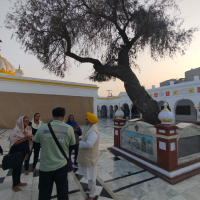
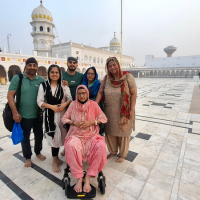
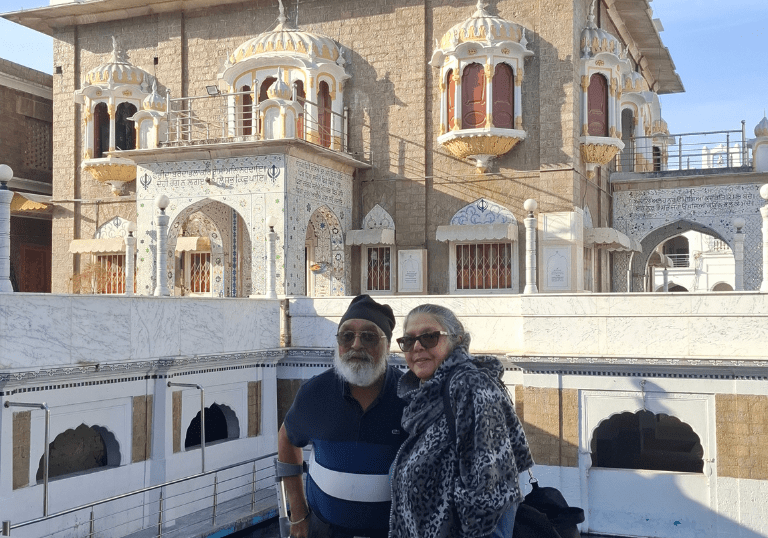
Gurdwara Panja Sahib is not only historically important but also architecturally beautiful. The structure features traditional Sikh design elements including:
- A large white marble building
- A central dome typical of Sikh gurdwaras
- Spacious courtyards and prayer halls
- A sacred sarovar (water pool) surrounding the rock with the handprint
The serene environment and well-maintained complex make it a peaceful place for prayer and reflection.
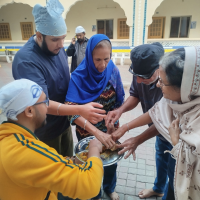
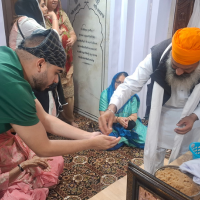
Visitors can also participate in the Langar, the free community kitchen that serves meals to all visitors regardless of religion, caste, or nationality. This tradition reflects the Sikh principle of equality and service to humanity.
Religious Importance for Sikhs
Gurdwara Panja Sahib holds immense religious significance for followers of Sikhism.
It is considered one of the holiest Sikh pilgrimage sites in Pakistan, alongside other important gurdwaras associated with Sikh Gurus.
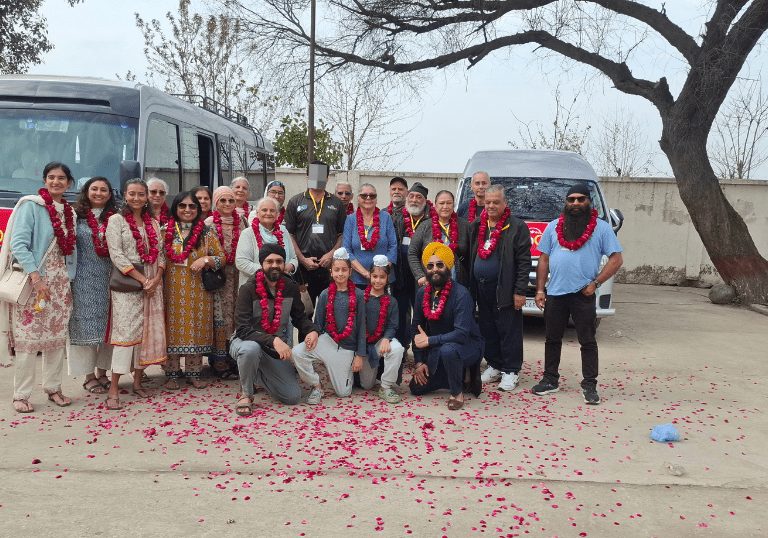
Every year, thousands of Sikh pilgrims from countries like:
- India
- Canada
- United Kingdom
- United States
visit the shrine to pay their respects and participate in religious ceremonies.
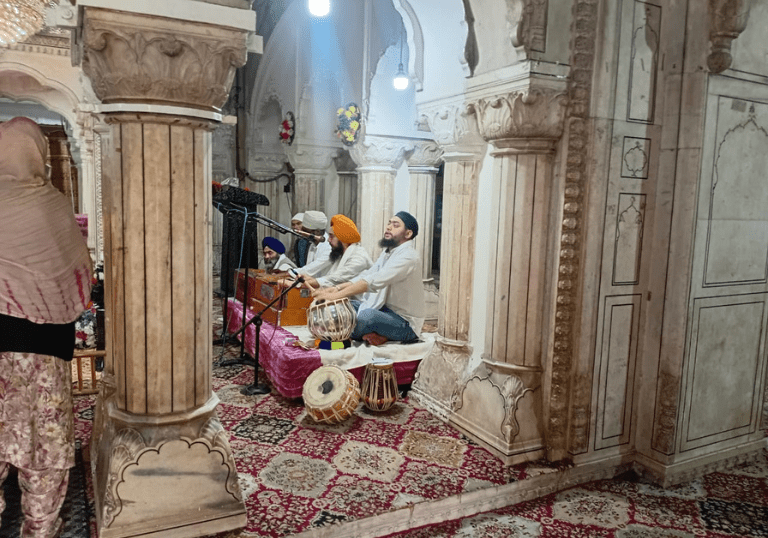
The site becomes especially vibrant during Vaisakhi, when pilgrims gather for prayers, processions, and community celebrations.
Location and How to Visit
Gurdwara Panja Sahib is located in the historic town of Hasan Abdal in the province of Punjab. It lies about 45 kilometers from Islamabad and is easily accessible by road.
Travel Tips for Visitors
- Best Time to Visit: During Vaisakhi celebrations in April.
- Respectful Dress: Visitors should dress modestly and cover their heads inside the gurdwara.
- Photography: Allowed in most areas, but always respect religious practices.
- Local Transportation: Taxis and tour services from Islamabad make visiting easy.
Many travelers also combine this visit with trips to nearby historical locations in northern Pakistan.
Cultural and Tourism Significance
Gurdwara Panja Sahib plays a major role in religious tourism in Pakistan. It symbolizes the country’s diverse religious heritage and its efforts to preserve historic Sikh sites.
The Pakistani government and Sikh organizations have worked together to maintain and restore the shrine so that pilgrims from around the world can visit safely.
For travelers exploring cultural and spiritual destinations, the gurdwara represents a powerful blend of history, faith, and hospitality.
FAQ About Gurdwara Panja Sahib
1. Where is Gurdwara Panja Sahib located?
Gurdwara Panja Sahib is located in Hasan Abdal, Punjab, Pakistan, about 45 km from Islamabad.
2. Why is it called Panja Sahib?
The name comes from the Punjabi word “Panja,” meaning hand, referring to the handprint believed to belong to Guru Nanak on a sacred rock.
3. Who built Gurdwara Panja Sahib?
The shrine was developed during the Sikh Empire under Maharaja Ranjit Singh in the early 19th century.
4. Can non-Sikhs visit the gurdwara?
Yes, people of all religions are welcome to visit the gurdwara as long as they respect the religious customs.
5. What is the importance of the water pool at the shrine?
The pool surrounds the sacred rock and is connected to the miracle associated with Guru Nanak, when water began flowing from beneath the stone.
Conclusion
Gurdwara Panja Sahib stands as one of the most important Sikh pilgrimage sites in the world. With its deep historical roots, spiritual significance, and remarkable legend connected to Guru Nanak, the shrine continues to inspire millions of devotees and travelers alike.
Whether you are a pilgrim, historian, or tourist exploring Pakistan’s cultural heritage, visiting Gurdwara Panja Sahib offers a profound and memorable experience.
For anyone planning a spiritual or heritage journey, this sacred place remains a must-visit destination that beautifully reflects the teachings of peace, humility, and unity.